TikTok Creator Reveals $60K in 10 Days Using AI TikTok Shop Strategy
Content creator tommycetty shares how he generated $60,000 in revenue over 10 days using AI-generated content on TikTok Shop, explaining the fundamentals of affiliate marketing on the platform.
February 11, 2026
TikTok Shop has emerged as a revolutionary platform for content creators, offering unprecedented earning opportunities through affiliate marketing. Content creator tommycetty recently demonstrated the platform's potential by generating $60,000 in sales over just 10 days using AI-generated content, marking what he describes as a "golden age" opportunity for creators.
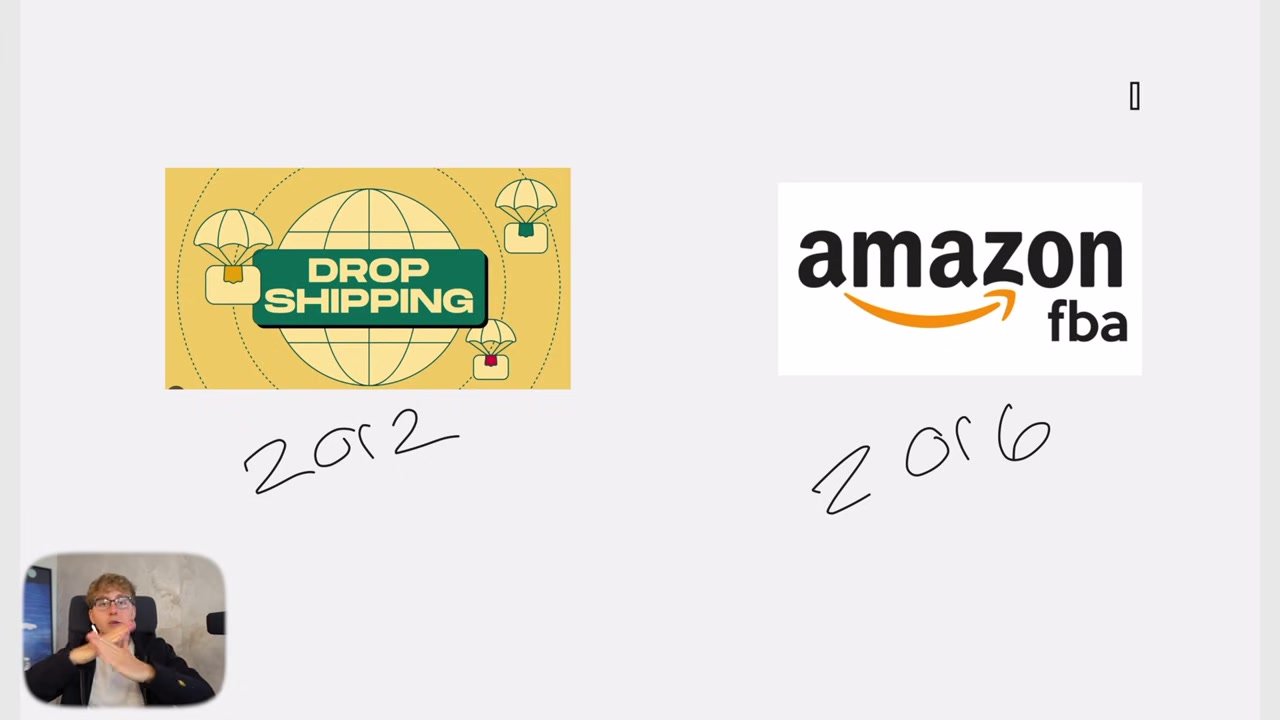
Unlike traditional social media monetization methods that require building large followings and negotiating brand deals, TikTok Shop allows creators to earn immediate commissions by promoting products directly within the app. tommycetty compares this moment to early opportunities in dropshipping (2012) and Amazon FBA (2016), suggesting that early adopters of TikTok Shop affiliate marketing are positioned for long-term success.
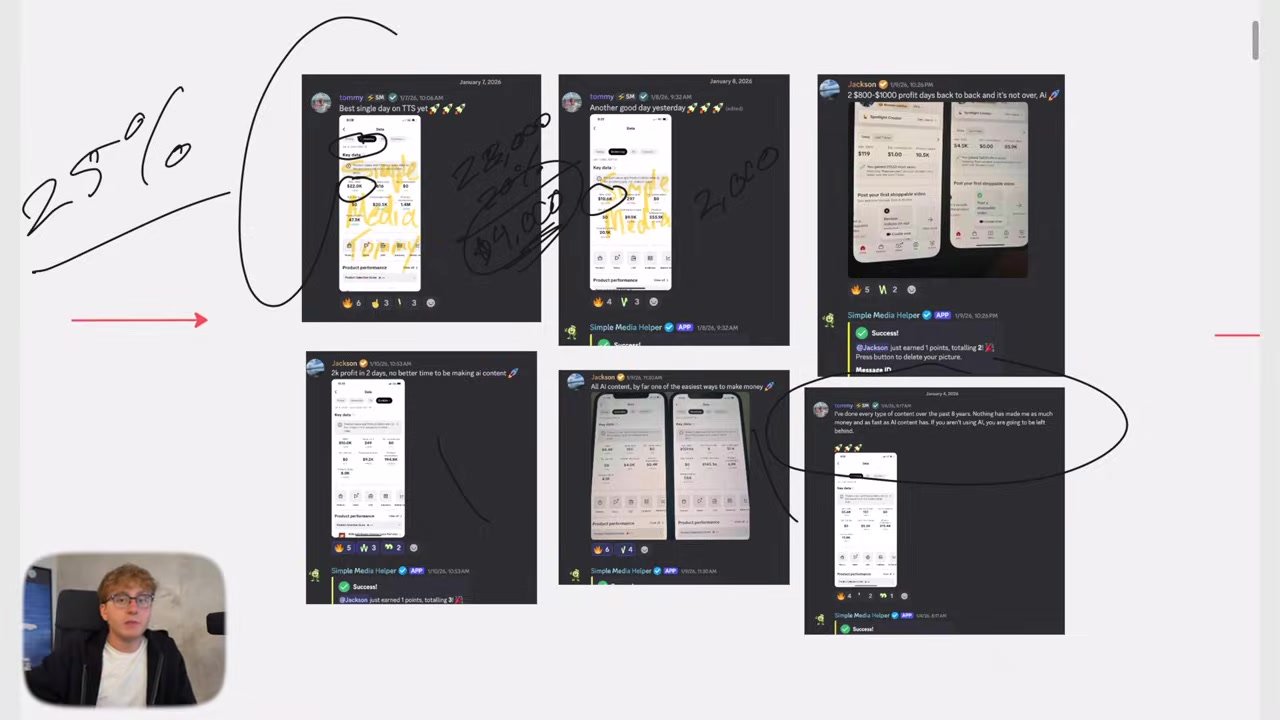
With over eight years of content creation experience and having generated over $500,000 in annual recurring revenue, tommycetty brings significant expertise to this emerging field. His recent success includes a single-day record of $22,000 in sales, earning him over $4,000 in profit from just one day's worth of AI-generated content promotion.
Understanding TikTok Shop's Revolutionary Approach

tommycetty begins by explaining TikTok Shop as a marketplace where creators promote products and sellers manage inventory. Unlike traditional brand sponsorships where creators receive flat fees (like the $500 example he provides for a Pepsi promotion), TikTok Shop allows creators to earn ongoing commissions from every sale generated by their content.
The creator emphasizes how brands previously profited significantly from creator content without sharing those profits. In his example, a brand might pay $500 for a video, then use that content across multiple advertising platforms to generate $50,000 in revenue, while the creator received no additional compensation. TikTok Shop fundamentally changes this dynamic by giving creators a percentage of every sale their content generates.
tommycetty positions TikTok Shop as being in the same early-opportunity phase as dropshipping in 2012 and Amazon FBA in 2016. He argues that the platform has only existed for about two years, with AI-generated TikTok Shop content becoming truly viable only in the past year, particularly since the release of advanced AI tools in mid-2025.
How TikTok Shop Functions as a Marketplace
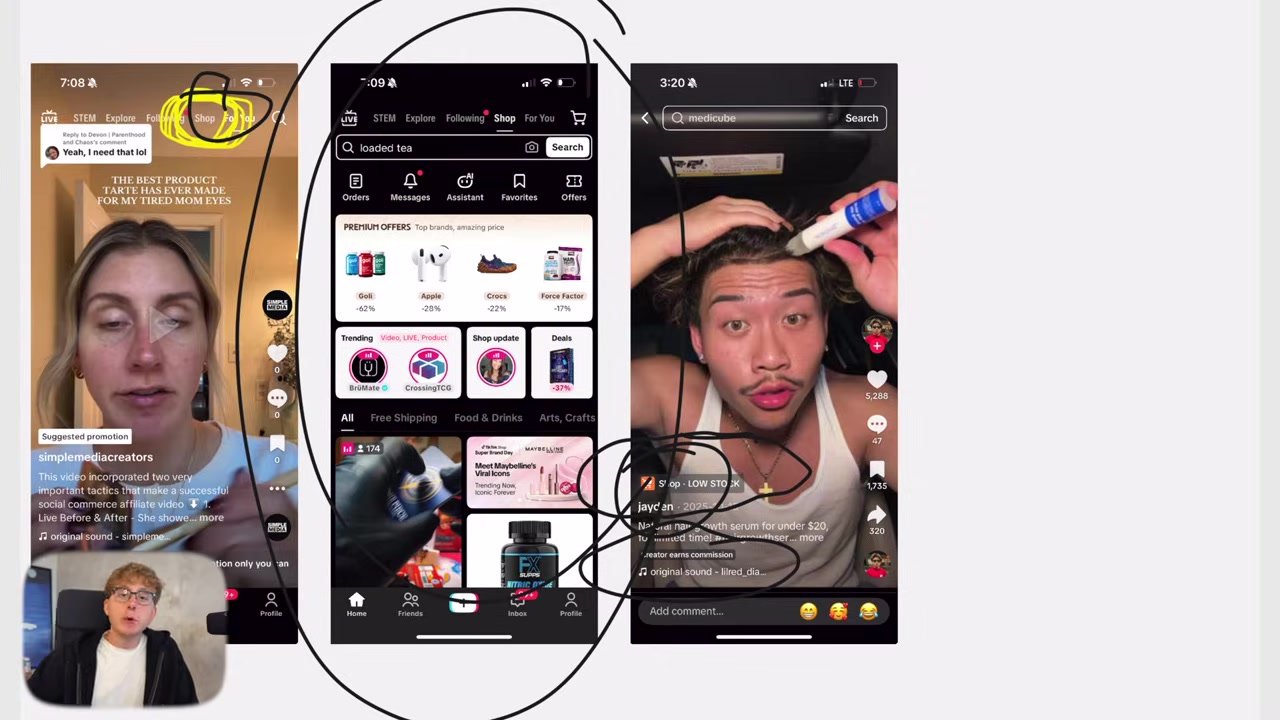
The creator walks viewers through TikTok Shop's interface, describing it as essentially "Amazon" within TikTok. The platform hosts approximately 90,000 products from brands that are typically found on Amazon, creating a comprehensive marketplace for users to browse and purchase directly within the app.
When creators promote products, an orange shopping cart icon appears on their videos, indicating affiliate content. Every purchase made through that creator's video generates a commission, with rates varying by brand and product category. tommycetty explains that this system eliminates the friction of external links and checkout processes that plagued earlier affiliate marketing attempts.
The in-app purchasing capability represents a significant advantage over traditional affiliate marketing. Instead of directing users to external websites through bio links, customers can complete purchases immediately using saved payment methods like Apple Pay or PayPal, dramatically reducing cart abandonment rates and increasing conversion potential.
TikTok Shop vs Traditional UGC: A Critical Comparison
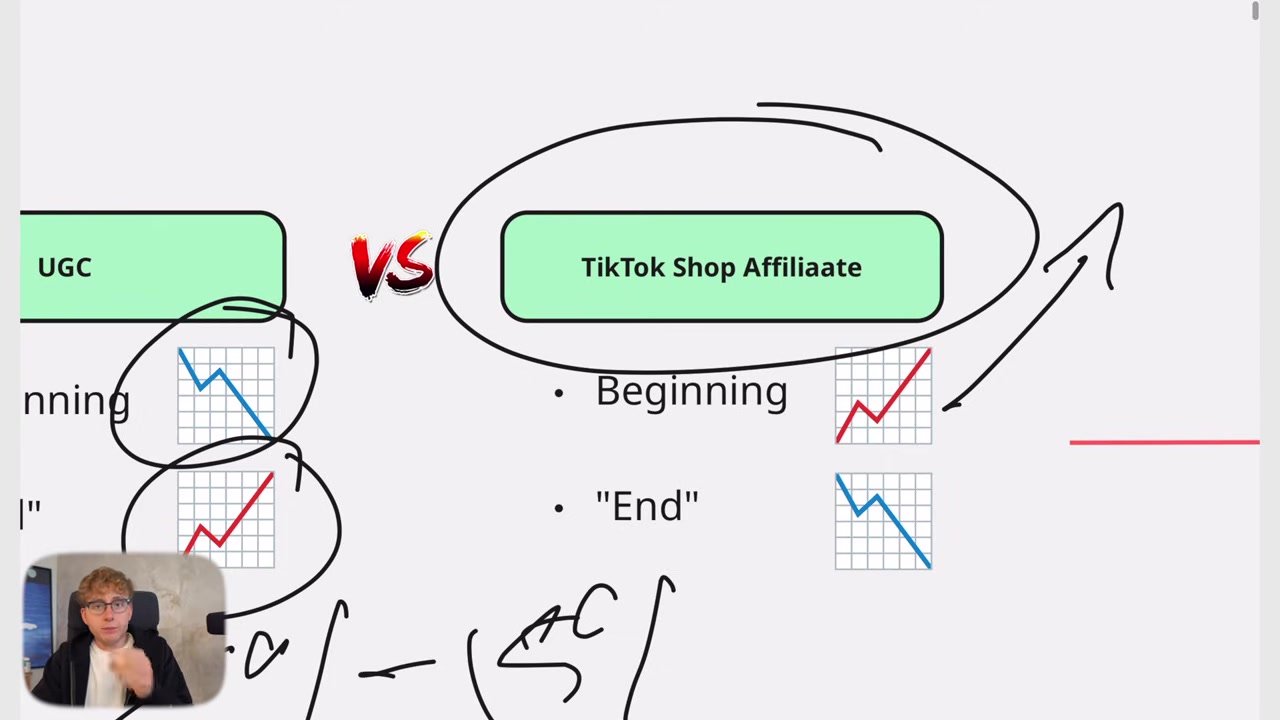
tommycetty provides a detailed comparison between TikTok Shop affiliate marketing and traditional User Generated Content (UGC) creation. He characterizes UGC as having a difficult beginning phase where creators must build portfolios, develop followings, and establish personal brands - a process that can take months or years with only a 5-15% success rate.
In contrast, TikTok Shop affiliate marketing offers immediate earning potential without requiring personal brand development or follower building. Creators can start generating revenue from their first video, as the focus is on product promotion rather than personal branding. This eliminates barriers to entry and allows creators to begin earning immediately.
While acknowledging uncertainty about TikTok Shop's long-term trajectory, tommycetty expresses optimism based on expanding social commerce trends. He notes that Meta is developing similar features, YouTube now allows affiliate links in videos, and Meta already supports Amazon affiliate links and promo codes, suggesting that social commerce is becoming an industry standard rather than a TikTok-specific phenomenon.
tommycetty's Background and Credibility
The creator establishes his expertise by detailing eight years of content creation experience, including previous success in sneaker reselling and Supreme merchandise. He emphasizes that his current enthusiasm for TikTok Shop surpasses any previous content trends he's encountered, lending weight to his recommendations.
tommycetty shares specific financial achievements, including over $500,000 in annual recurring revenue for two consecutive years and over $1 million in gross merchandise value (GMV) as an affiliate creator. He notes that 70% of this success came through TikTok Shop, with the remaining 30% through Mavely, a platform that allowed affiliate marketing for retailers like Target before TikTok Shop's existence.
Despite his success with AI content, tommycetty reveals he continues working as a UGC creator for brands on high four-figure contracts and serves as a content creator coach for companies like Beekeepers, Physician's Choice, and Neurogum. This diverse experience provides him with comprehensive insight into various monetization strategies across the creator economy.
Real-Time Success Metrics and Earning Potential
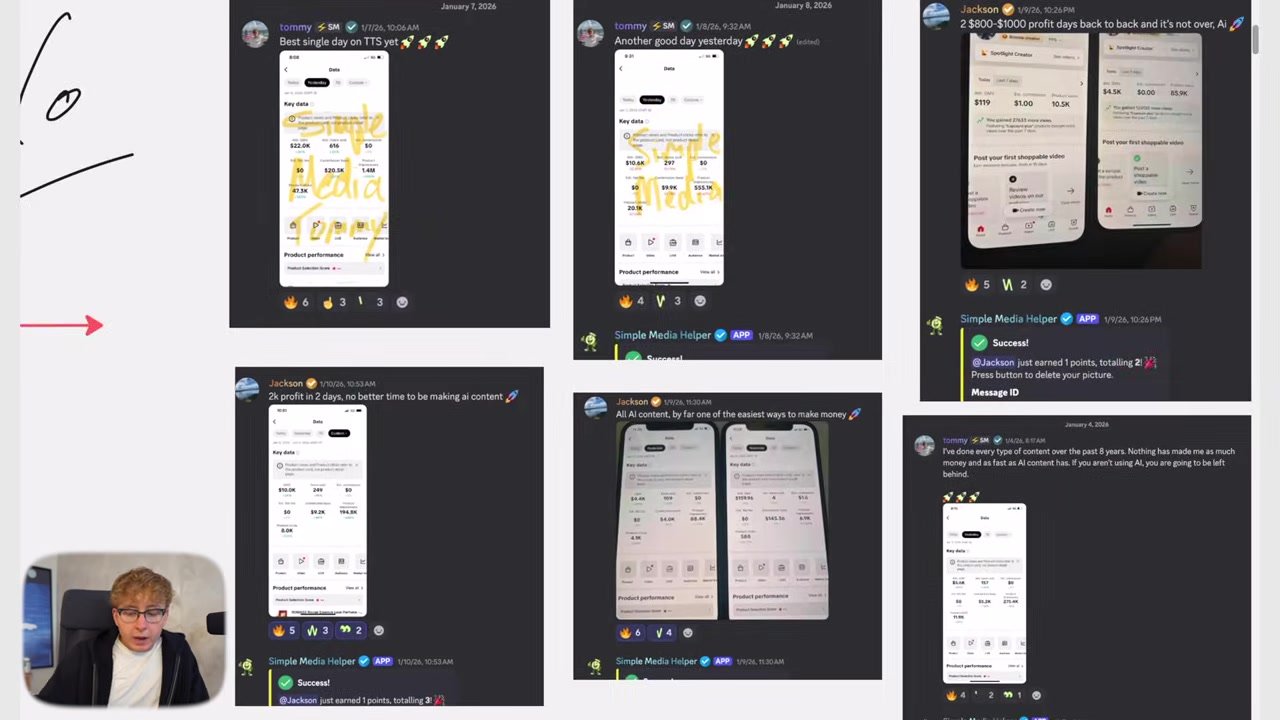
tommycetty presents recent performance data to demonstrate TikTok Shop's earning potential, emphasizing current rather than historical success. His biggest single day occurred on January 6, 2026, generating $22,000 in sales and earning him over $4,000 in profit from a 20% commission rate.
The creator explains the difference between GMV (Gross Merchandise Value) and actual profit, noting that screenshots showing large numbers represent total sales volume rather than creator earnings. His recent 9-day performance from January 3-11, 2026, generated $55,000 in GMV, averaging $3,000 daily without viral content.
To provide realistic expectations, tommycetty shares that creators typically earn $5-10 per 1,000 views, with his team members achieving consistent success through AI content. He also presents worst-case scenarios, showing days with only $50 in profit to provide balanced expectations, while noting that even poor performance can generate $1,500 monthly with consistent posting.
Entry Requirements and Platform Restrictions
tommycetty addresses TikTok Shop's follower requirements, explaining that the platform isn't accessible to everyone. Creators need a minimum of 1,000 followers to participate, but this comes with severe restrictions - only five shoppable videos per week, which he considers inadequate for serious earning potential.
The optimal entry point requires 5,000 followers, which removes posting limitations and allows unlimited shoppable content creation. tommycetty dismisses concerns about reaching this threshold, stating his fastest account achieved eligibility within five days, with most accounts requiring 10-14 days of consistent posting.
The creator briefly mentions alternative TikTok monetization methods, including the Creator Rewards Program (similar to YouTube monetization) and becoming a seller, but dismisses both as less profitable than affiliate marketing. He emphasizes that TikTok Shop affiliate marketing requires no startup costs and allows unlimited content creation, making it the most accessible and scalable option for creators.
Choosing the Right Product Categories
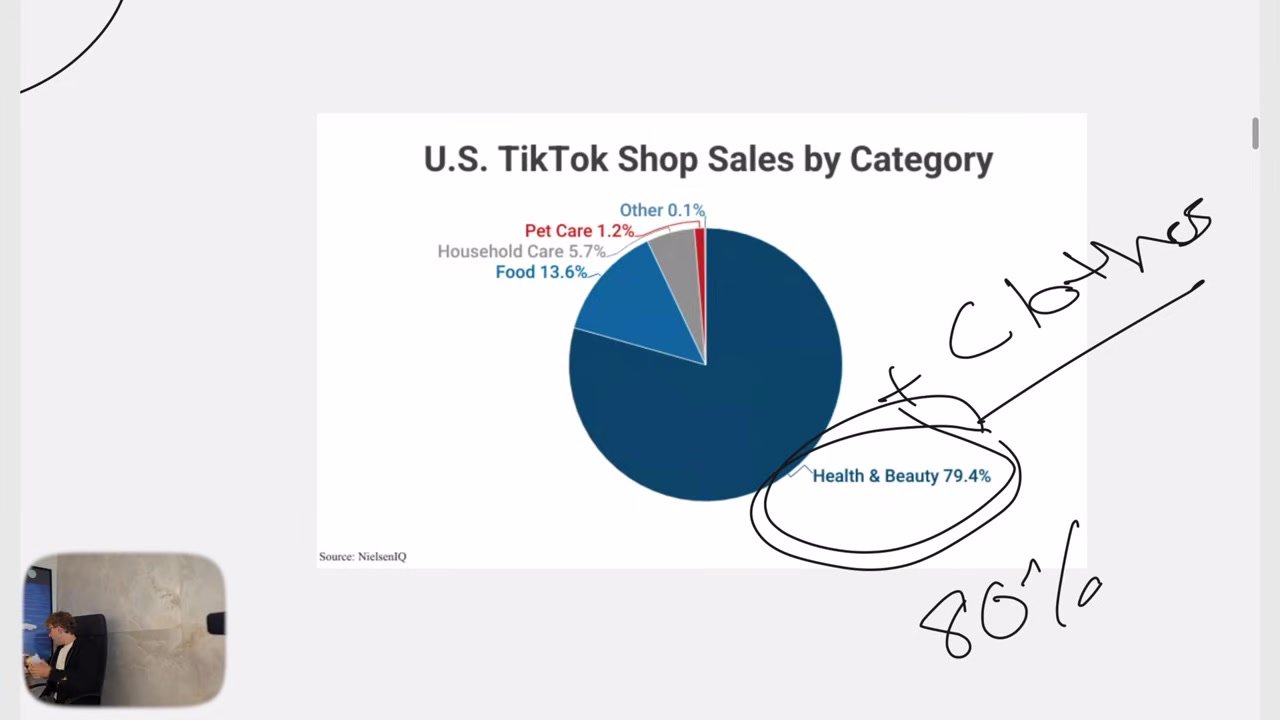
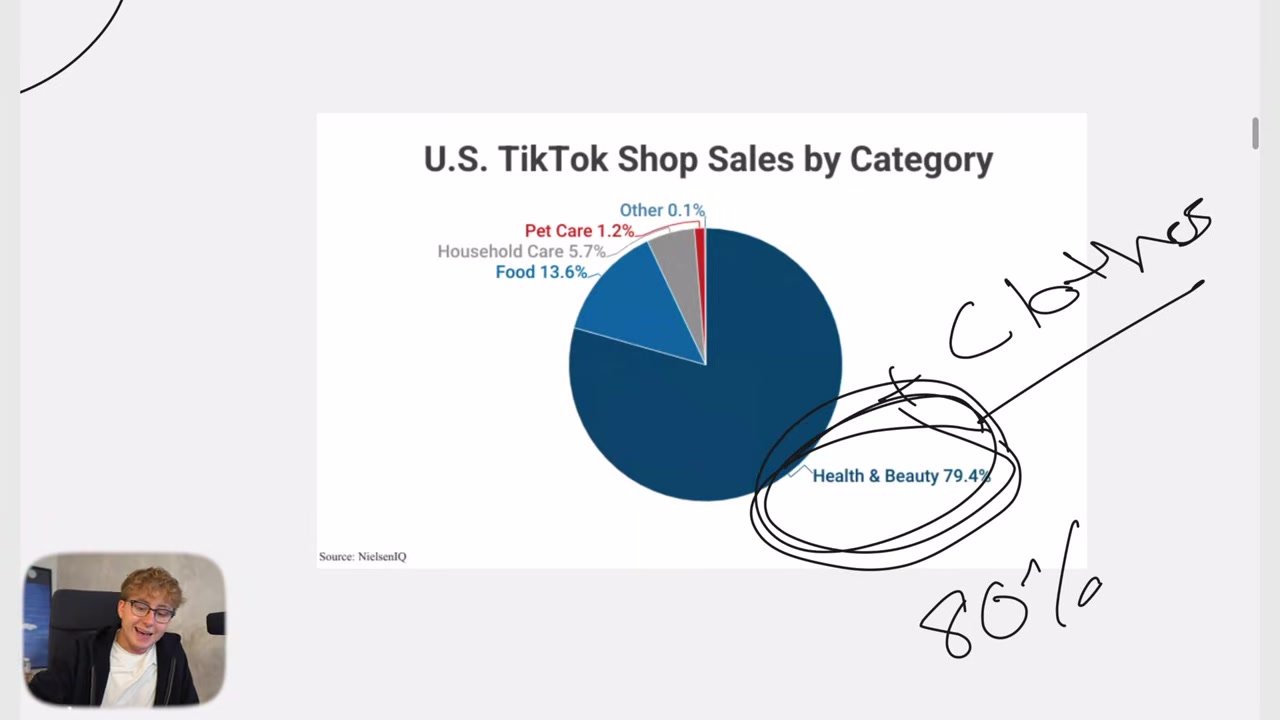
tommycetty emphasizes the importance of focusing on high-performing product categories for TikTok Shop success. He identifies health and wellness as the top category, describing it as having the largest market with products like Relaxin and Goalie that are "TikTok shop staples" and "mega viral." Pet care emerges as another strong category for affiliate promotion.
The creator uses an analogy to explain his strategy, asking why creators would want to "compete in a small pond with a lot of fish" when they could "compete in a big pond" or even "the ocean versus a backyard pond." This approach focuses on categories with proven demand and viral potential rather than niche markets with limited reach.
Finding Products Through Amazon Connection
tommycetty reveals a key strategy for product discovery, explaining that TikTok Shop and Amazon are closely "interlinked." He notes that if a product exists on Amazon, there's a high probability it's also available on TikTok Shop, since Amazon's strict seller guidelines mean established sellers can easily transition to TikTok Shop.
He recommends creators start by looking around their homes for products they've purchased on Amazon, then checking if those same items are available on TikTok Shop. This creates an immediate opportunity for promotion since creators already have familiarity with products they've personally used and can authentically recommend.
Navigating the TikTok Shop Creator Marketplace
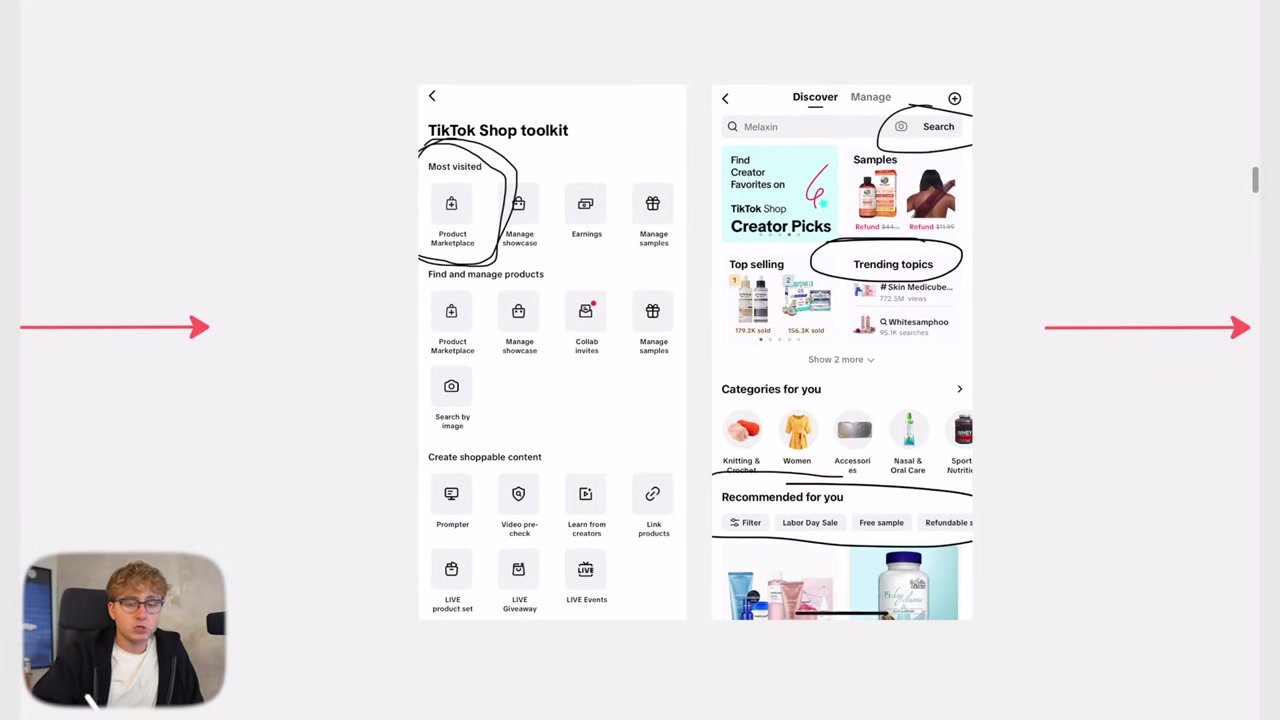
Once creators gain access to the TikTok Shop Creator program (requiring 1,000-5,000 followers), tommycetty explains how to use the Product Marketplace effectively. The platform contains over 90,000 products with features to browse trending topics, top-selling items, and personalized recommendations.
He emphasizes looking for "free samples" as a key filter, though warns that new creators often get denied for free samples due to lack of sales history. Many brands now offer "refundable samples" instead, where creators pay upfront but receive refunds after achieving a certain number of sales (typically 1-3 for smaller items, more for expensive products like electric bikes).
Understanding Commission Structures and Shop Ads
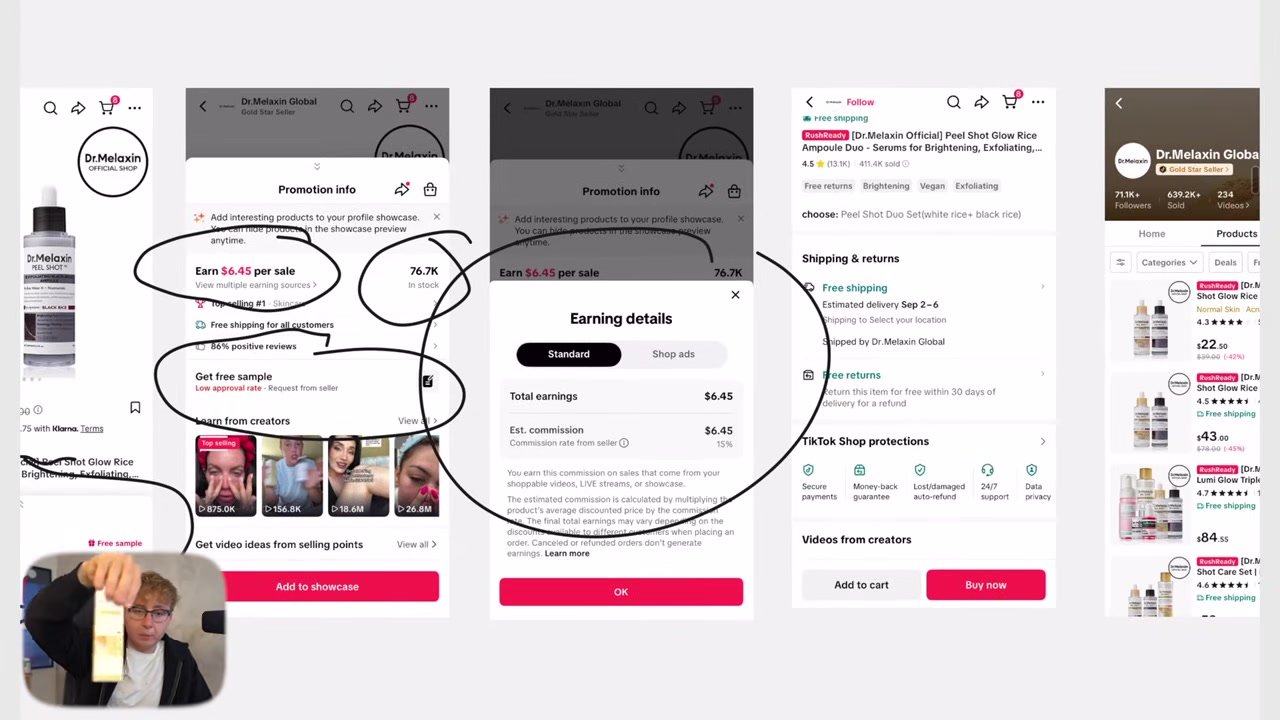
tommycetty breaks down the commission system, using Relaxin as an example with 15% standard commission rates. He explains the difference between "standard rate" for organic views and "ad rate" for Shop Ads, where brands boost successful creator videos with paid promotion.
When brands invest ad spend behind creator content, they typically reduce commission rates, sometimes dropping to as low as 5%. tommycetty advises creators to avoid brands that cut commissions too drastically, suggesting they find alternative product listings that offer better compensation for their promotional efforts.
Major Challenges: GMV Max and Violations
tommycetty addresses two significant challenges facing TikTok Shop creators. GMV Max, introduced in August 2025, represents TikTok's shift to a "pay to play" model similar to Facebook's ad manager, where organic viral content now requires ad spend backing from brands to achieve maximum reach.
Violations present another major concern, with ban waves occurring every 4-6 months when TikTok identifies oversaturated content styles. tommycetty mentions being "obliterated" during an AI crackdown in June 2025. He shows his setup of eight phones running multiple accounts as a scaling strategy, emphasizing the importance of working with established brands that have substantial ad budgets to navigate these platform changes successfully.
AI Video Examples and Content Styles
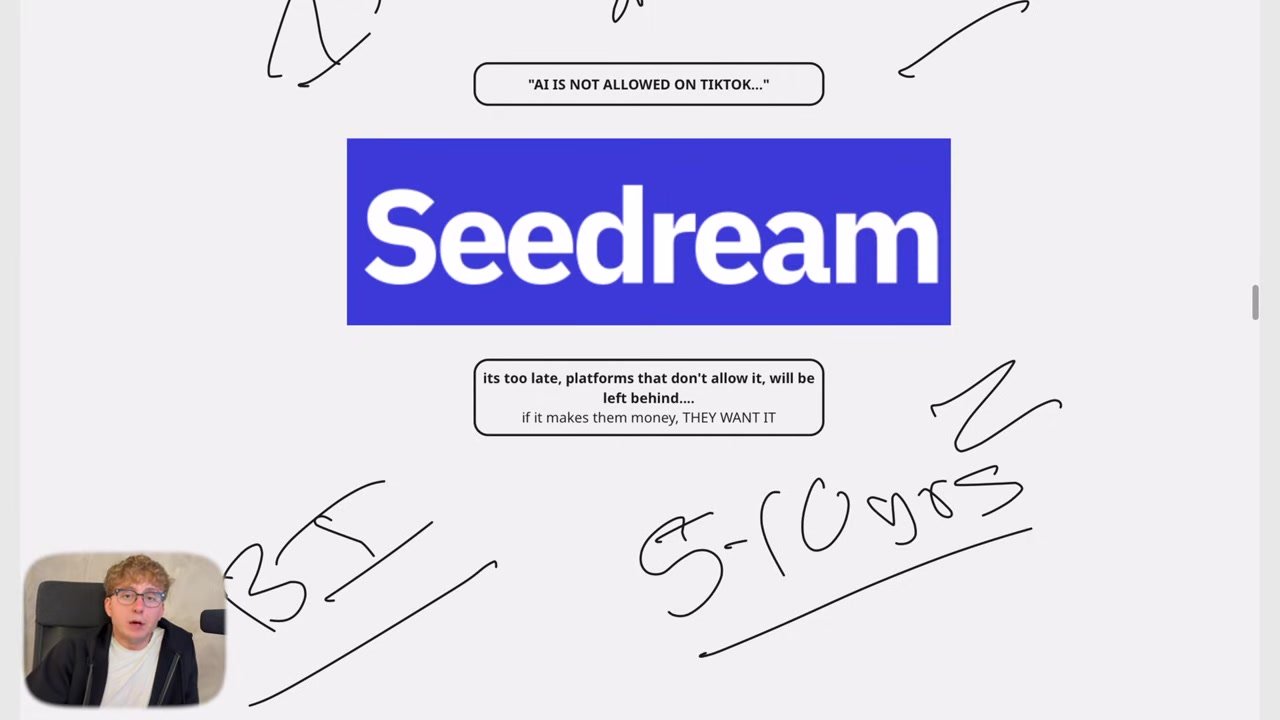
tommycetty demonstrates various AI video styles, starting with bottom-of-funnel content that targets people ready to buy. He explains that while this approach works, he prefers not to create faceless AI content, believing creators should leverage AI to become the person they want to be rather than remaining anonymous.
The creator shares examples of different video styles, including one that generated $10,000 in commission in December 2025. He showcases a Spanish-language video, highlighting how AI enables creators to be multilingual even without speaking the language. tommycetty emphasizes the realistic quality achievable with current AI technology, demonstrating videos that have driven significant sales.
The Deepfake Warning and Legal Issues

tommycetty shares a cautionary tale about his experience with deepfaking, which he describes as his "biggest failure with AI." He explains how he successfully deepfaked various personalities like Joe Rogan and Dr. Berg, generating $5,000 in commission within five days from a viral video.
However, the success was short-lived when the person he deepfaked threatened legal action for defamation. Despite removing the video and apologizing, his account was deleted and he lost all his earnings. tommycetty strongly warns against deepfaking real people, emphasizing that this practice is no longer allowed and can result in serious legal and financial consequences.
The 1% Payment Method Strategy
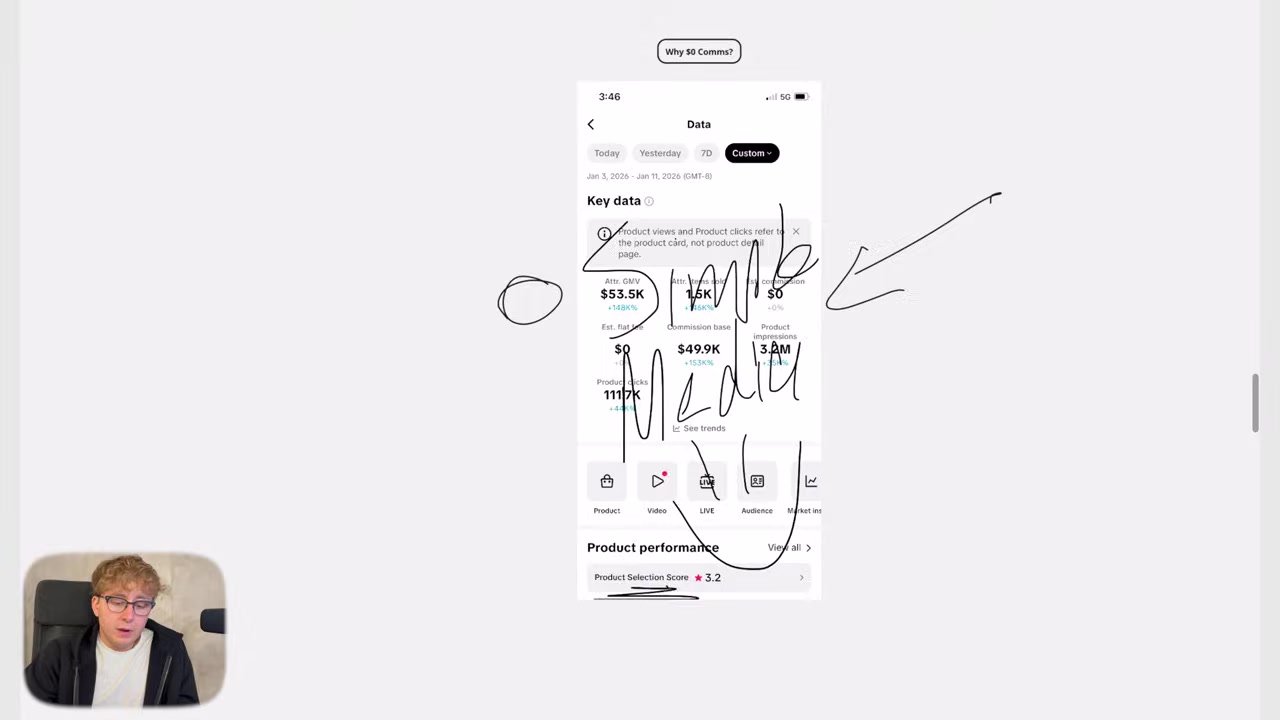
tommycetty addresses potential skepticism about his $53,000 GMV showing $0 in commission by explaining his "1% method." This strategy involves partnering directly with brands and negotiating to receive only 1% or 0% commission through TikTok's platform, while getting manual payments directly from brands at month's end.
This approach protects creators from losing money if their accounts get banned, as happened to tommycetty when he lost $6,000 in June 2024. By receiving payments outside of TikTok's system, creators maintain control over their earnings and reduce the risk of platform-related financial losses.
The Success Mindset: Avoiding the Mid-Curve Trap
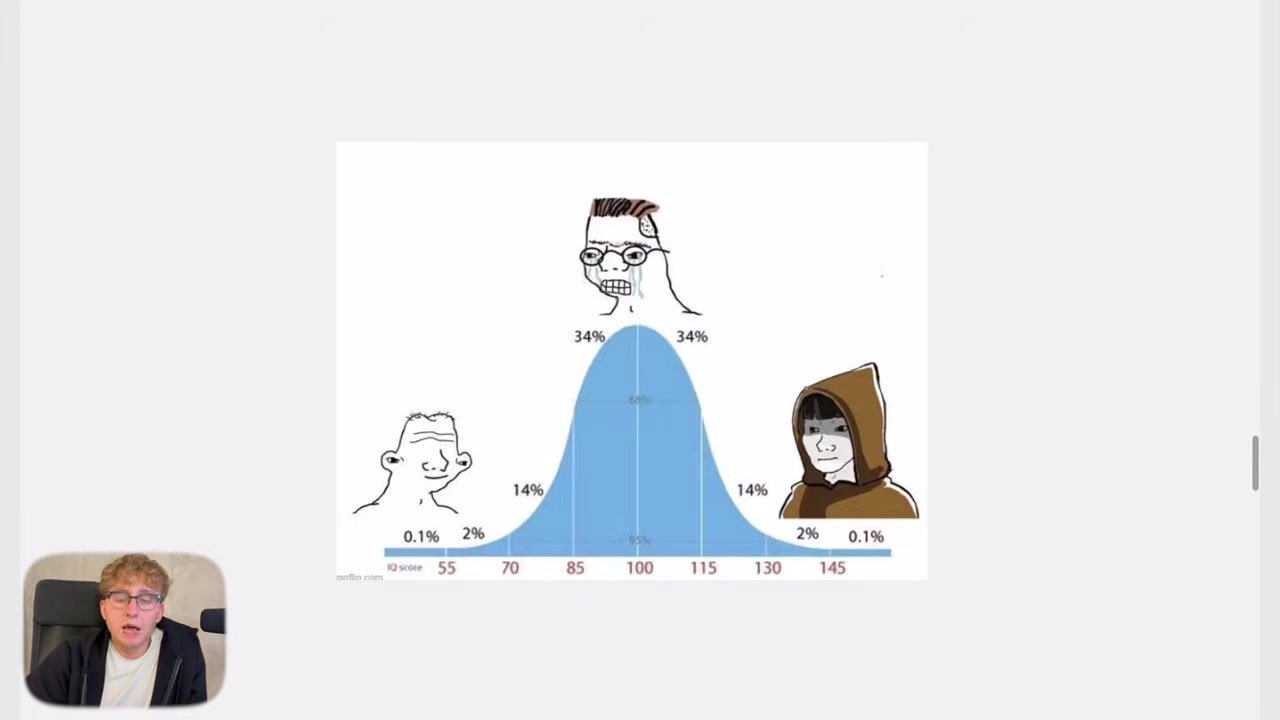
Drawing from his experience coaching creators, tommycetty introduces a crucial concept about mindset levels for success. He explains that people fall into three categories: those who are "stupid" enough to just execute without overthinking, experts who know what they're doing, and the problematic middle group that gets trapped in analysis paralysis.
He warns that 95% of people get caught in the "mid-curve" trap, where they overthink everything, doubt the process, and spend excessive time perfecting scripts instead of taking action. tommycetty emphasizes that beginner's luck exists because newcomers don't overthink - they simply execute, which is the key to success in AI content creation.
Comprehensive AI Tools Tier List
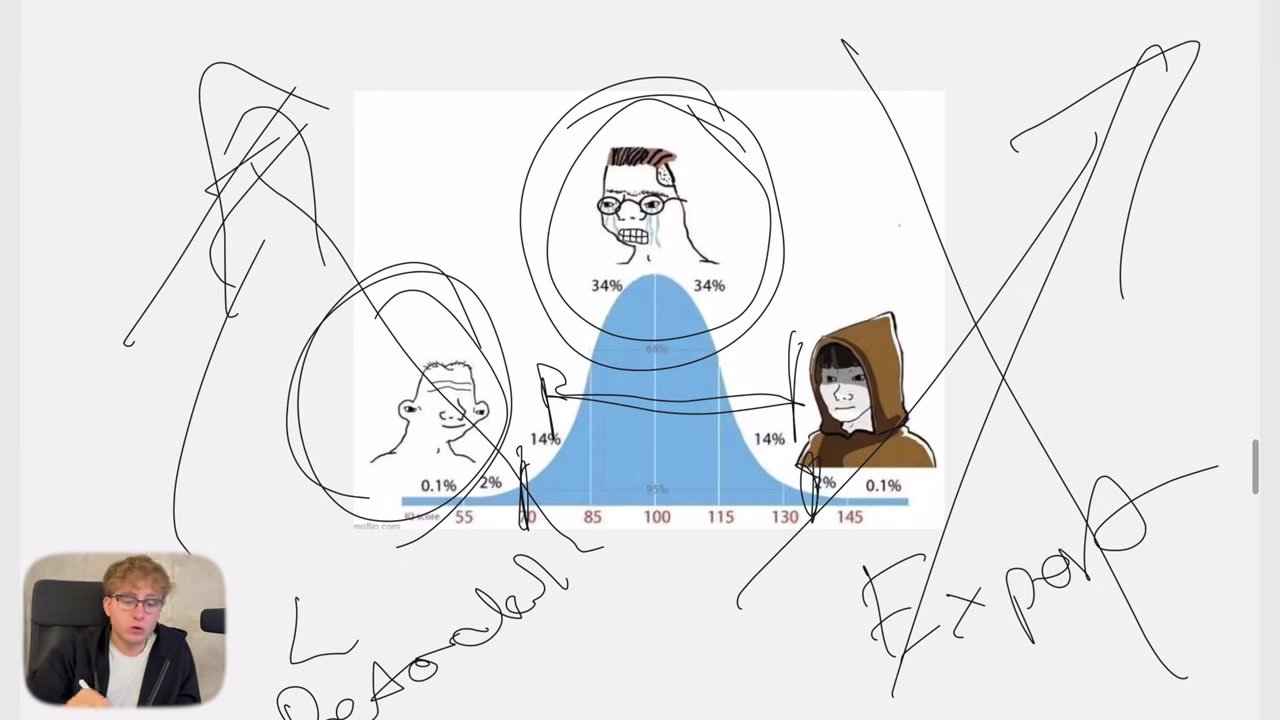
tommycetty presents a detailed tier list of AI tools, starting with lower-tier platforms like Vozo and Sync Labs, which were useful for deepfaking but are now obsolete due to policy changes. He moves through various categories including script writing tools, where he strongly recommends Claude over ChatGPT for creative and script writing tasks.
For video production, he highlights top-tier tools including Sora, VO3, HeyGen, Kling AI, and RunwayML. For voice generation, he exclusively recommends ElevenLabs, while suggesting ImagenPro by Google over Midjourney for image generation. He also mentions his investment insights, particularly his bullish stance on Google as the likely winner in the AI race, along with energy companies that power AI infrastructure.
Success Formula: Technology Plus Creativity
tommycetty breaks down the success formula for AI content creation into two essential components: technology and creativity. While many people can access the technical tools, the differentiator lies in creativity and knowing how to use the tools effectively beyond basic prompting.
He encourages creators to develop their creative side through reading books, "doom scrolling" social media for trends, studying commercials (especially pharmaceutical ads), and observing how established brands sell products. tommycetty argues that AI content creation is simply a more cost-effective version of what major brands already do with paid actors, making it an ethical and smart business approach for individual creators.
Conclusion
tommycetty concludes by promoting his Simple Media program, which offers both free and paid tiers for learning AI content creation. He emphasizes that 2026 will be the year of AI content creators, as the technology has reached a crossroads where quality meets platform acceptance. The program includes over 12 hours of course material, one-on-one coaching, brand partnerships, and access to proven frameworks that have generated millions of views and significant revenue for his team.
The creator stresses the ethical approach to AI content creation, acknowledging concerns while arguing that educated creators with strong morals can succeed responsibly. He promises future content covering follower growth strategies and product selection, positioning this comprehensive guide as the foundation for viewers to begin their AI content creation journey on TikTok Shop.
Watch the Original Video
← Back to Blog
Language: